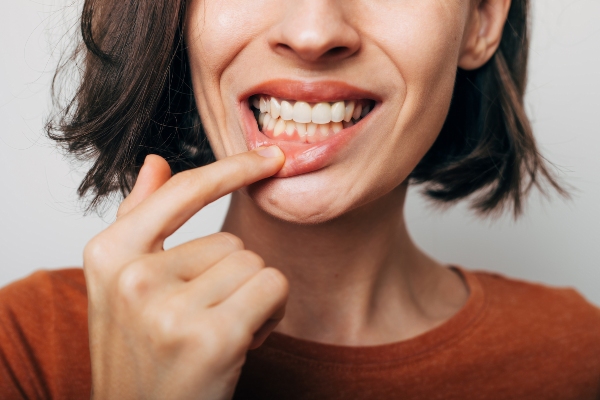
 Concerned about gum disease treatment? Read on to learn more. Gum disease is a common oral issue caused by bacteria. After gum disease treatment, taking good care of your gums is crucial to long-term success and wellness. This article includes tips to aid the healing process and prevent further damage or infection.
Maintaining oral health after gum disease treatment
Oral health care is typically not a complicated process. After undergoing gum disease treatment, the dentist might recommend a stricter routine to prevent reinfection, especially since some patients are more vulnerable to dental issues than others.
Regular dental care
Proper oral hygiene is important to maintain proper teeth and gum health. Slacking off can cause issues like cavities, periodontitis, and even tooth loss. To prevent reinfection after gum disease treatment, patients should brush their teeth at least two times daily using fluoride toothpaste and floss to remove plaque or food debris between the teeth. Getting an antibacterial mouthwash can also help to keep the mouth clean.
Regular visits to the dental office are also important for proper oral care. The dentist will perform professional dental cleaning to eliminate tartar, monitor the mouth's condition, and recommend treatment if necessary.
Adequate rest and hydration
Patients should rest properly and stay hydrated as part of gum disease treatment aftercare. Oral care routine often gets the attention, but getting enough sleep and water is just as important for overall health. As the mouth heals, the body requires additional energy to restore damaged tissues and gums. Sleeping aids the restoration process and recovery time. Hydration keeps the teeth and gums healthy. Drinking enough water cleans the mouth of bacteria that cause gum disease.
Lifestyle habits
Smoking is a harmful habit that can compromise the teeth and gums. Smoking stains the teeth and leaves residue that encourages bacteria to thrive, causing gum disease. The chemicals in cigarettes also restrict blood flow to the gums, prolonging healing after periodontal therapy.
Another habit to avoid is ice chewing. This might seem harmless, but it can cause the teeth to fracture or irritate the gums after treatment. An alternative to consider is to substitute the habits with chewing sugar-free gum or eating healthy foods. Patients can also consult with their dentist about ways to quit smoking.
Seek prompt treatment
Patients need to monitor changes in their mouth after periodontal therapy. Any symptoms of an infection, pain, or redness should prompt medical care. Neglecting these symptoms can cause severe health conditions. In rare cases, infection may reoccur after gum disease treatment. The dentist will treat the gums and usually recommend antibiotics to clear the infection. If inflammation persists for more than a few days, a dental visit is necessary.
In conclusion
Good aftercare following gum disease treatment is essential for healthy teeth and gums. In this period, the dentist is your friend and will be happy to help you through the process. The key is to be proactive and watch out for any changes in your gums. Any pain, swelling, or inflammation requires a dental evaluation. If you think you have gum disease, contact our dental office today to schedule an appointment.
Request an appointment or call Daniel Dentistry of Euharlee at 770-749-7720 for an appointment in our Euharlee office.
Related Posts
Your general dentist will choose the right gum disease treatment for your situation. A full assessment will determine if you need surgical or non-surgical solutions. Understanding the processes is a good way to prepare for your appointment. Here is a comprehensive guide to your possible gum disease treatment.Studies show that most patients prefer a non-surgical…
Early gum disease treatment for those whose gums are starting to degrade can mean the difference between keeping your teeth and needing replacements later. You may think of good oral healthcare as just brushing your teeth and flossing, but taking care of the gums is equally important.Treating gum disease when it starts is simple. Patients…
The right gum disease treatment can come from your general dentist. The treatment will depend on the severity of the gum problem. Mild gum disease will need proper oral hygiene practices, including regular dental visits. These activities can control the brewing infection and prevent more damage. Moderate to severe cases may need medication and more…