Tips on How to Care for Your Smile After a Dental Cleaning
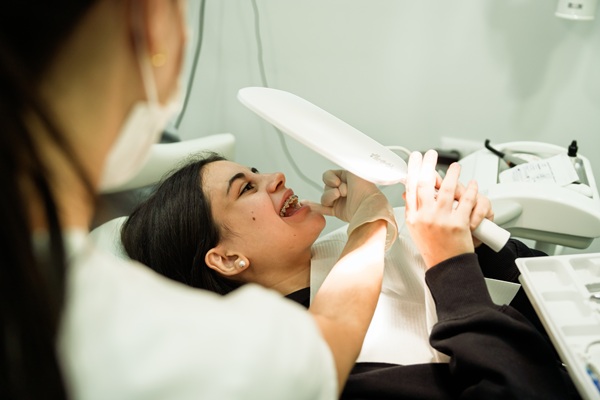
Routine dental cleanings help maintain the health of your teeth and gums by removing plaque and tartar buildup. However, practicing good oral hygiene at home is essential to prevent oral health issues between visits. Taking proper care of your teeth daily ensures a bright, healthy smile over time.
Tips to better care for teeth between dental cleanings
Brush properly twice a day
Brushing teeth at least twice daily helps keep them free of plaque and food particles. A soft-bristled toothbrush and fluoride toothpaste help clean teeth without causing damage to the enamel or gums. Each brushing session should last at least two minutes, covering all surfaces of the teeth, including the front, back, and chewing areas. Using gentle, circular motions helps remove plaque more effectively than brushing too hard.
Floss every day
Flossing is just as important as brushing because it removes food and plaque from areas a toothbrush cannot reach. Flossing once daily helps prevent cavities and reduces the risk of gum disease. Flossing technique is also important. Slide the floss gently between the teeth and curve it around each tooth instead of snapping it into place. If using traditional floss is difficult, floss picks or water flossers can be good alternatives.
Use mouthwash for extra protection
Mouthwash can help reach areas that brushing and flossing might miss. An antibacterial mouthwash reduces plaque buildup and helps prevent gum disease. A fluoride rinse strengthens enamel and protects against cavities. Rinsing for about 30 seconds after brushing and flossing can provide additional protection and keep the mouth feeling fresh.
Drink plenty of water
Drinking water throughout the day helps wash away food particles and bacteria that can cause plaque buildup. Water also keeps the mouth hydrated, reducing the risk of dry mouth, which can lead to tooth decay. Choosing water over sugary or acidic drinks helps protect enamel and maintain oral health between dental cleanings.
Eat a tooth-friendly diet
A balanced diet plays a key role in maintaining strong teeth and gums. Foods rich in calcium, such as dairy products and leafy greens, help strengthen enamel. Crunchy fruits and vegetables, like apples and carrots, help clean teeth naturally by removing plaque as they are chewed. Limiting sugary and starchy foods can reduce the risk of cavities and protect teeth from decay.
Avoid harmful habits
Certain habits can damage teeth over time. Chewing on ice, biting fingernails, or using teeth to open packages can cause chips and cracks. Smoking and using other tobacco products can increase the risk of gum disease and stains on teeth. Avoiding these habits can help maintain a healthy smile between dental cleanings.
Do not skip regular dental visits
Even with good oral hygiene, professional cleanings are necessary to remove plaque and tartar buildup that brushing and flossing cannot eliminate. Dentists can also detect early signs of cavities, gum disease, and other dental issues. Scheduling a dental cleaning every six months ensures teeth stay healthy and problems are caught early.
Keeping a healthy smile between dental cleanings
Good oral hygiene does not stop after a dental cleaning. Brushing, flossing, and using mouthwash regularly help maintain healthy teeth and gums. Making smart choices about diet and habits can also prevent dental problems and keep a smile bright until the next cleaning.
Request an appointment here: https://www.danieldentistryga.com or call Daniel Dentistry of Euharlee at (770) 749-7720 for an appointment in our Euharlee office.
Check out what others are saying about our dental services on Yelp: Dental Cleaning in Euharlee, GA.
Related Posts
There are many ways to keep your teeth bright, white, and healthy. However, you may see unfamiliar stains or shades on your teeth, making them appear gray. Fortunately, a general dentist can evaluate gray teeth by identifying the root cause of the change.It is common for teeth to change color, and it does not always…
Dental implants can replace missing teeth, but the surrounding tissues still require daily care and professional monitoring. Gum disease around implants (peri-implantitis) can begin with inflammation in the soft tissue and may progress to bone loss if it worsens. Recognizing the signs and seeing a dentist early on can make treatment easier.Routine implant maintenance may…
A tooth extraction helps protect oral health, but complications can happen. If severe pain starts a few days after the procedure, a dry socket is typically the primary cause. You need to know what signs to watch for so you can call a dentist before the discomfort becomes unbearable. Early action keeps your recovery on…
Finding an emergency dentist on short notice provides immense relief when sudden oral pain or an unexpected dental injury disrupts daily routines. From severe toothaches to infections, these abnormal symptoms warrant prompt professional attention to prevent further complications. Therefore, whether you maintain routine appointments or this is your first dental appointment in a while, our…